 होम
होम  भारत
भारत  ट्रेंडिंग
  नौकरियां
  विश्व
विश्व  खेल
खेल  जॉब
जॉब  न्यूज़
  पॉलिटिक्स
  बिजनेस
  ऑटोमोबाइल
  गैजेट
गैजेट  धर्म/ज्योतिष
  मनोरंजन
  शिक्षा
  स्वास्थ्य
  लाइफस्टाइल
  योजना
योजना  फोटो गैलरी
  Others
 Back from the brink: The Iran ceasefire | The Global Story
 BBC News
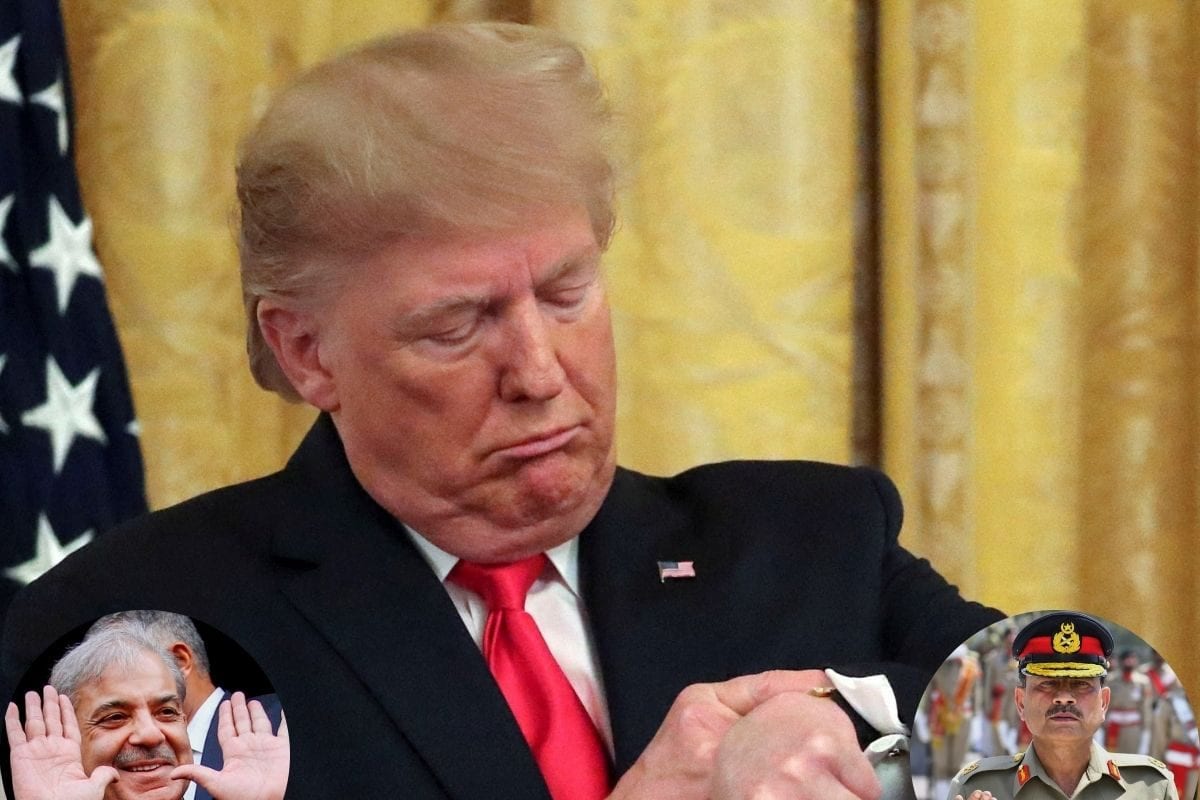
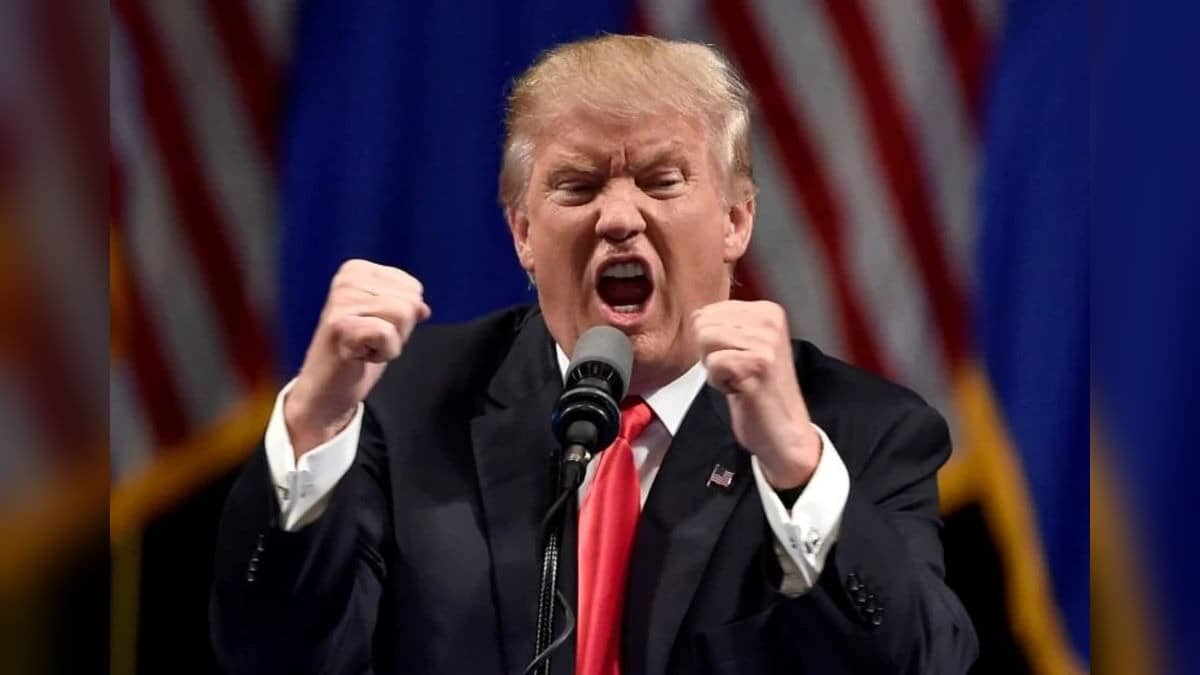
Iran and the US have agreed to a conditional two-week ceasefire. US President Donald Trump says the US has “met and exceeded all military objectives”, while Iran says the ceasefire is a “humiliating retreat” for Washington. So, what has actually been agreed, and is this ceasefire likely to pave the way for an ending to the war? We speak to Jane Corbin from the BBC’s Panorama, who has reported from the world's major conflict zones for three decades. Subscribe to our channel here: https://bbc.in/bbcnews For the latest news download the BBC News app or visit BBC.com/news #BBCNews 00:00 Introduction 01:04 What do we know about the ceasefire? 02:04 Who are the United States negotiating with? 04:03 What's in Iran's ten point plan? 06:30 The Israel-Hezbollah conflict 09:23 Both sides are claiming victory 12:49 Donald trump's threats 17:01 What this means for oil prices 20:20 The situation in Iran 22:22 What has been achieved in this conflict?
US-Iran ceasefire: Is there a 'workable' peace plan? | Global News Podcast
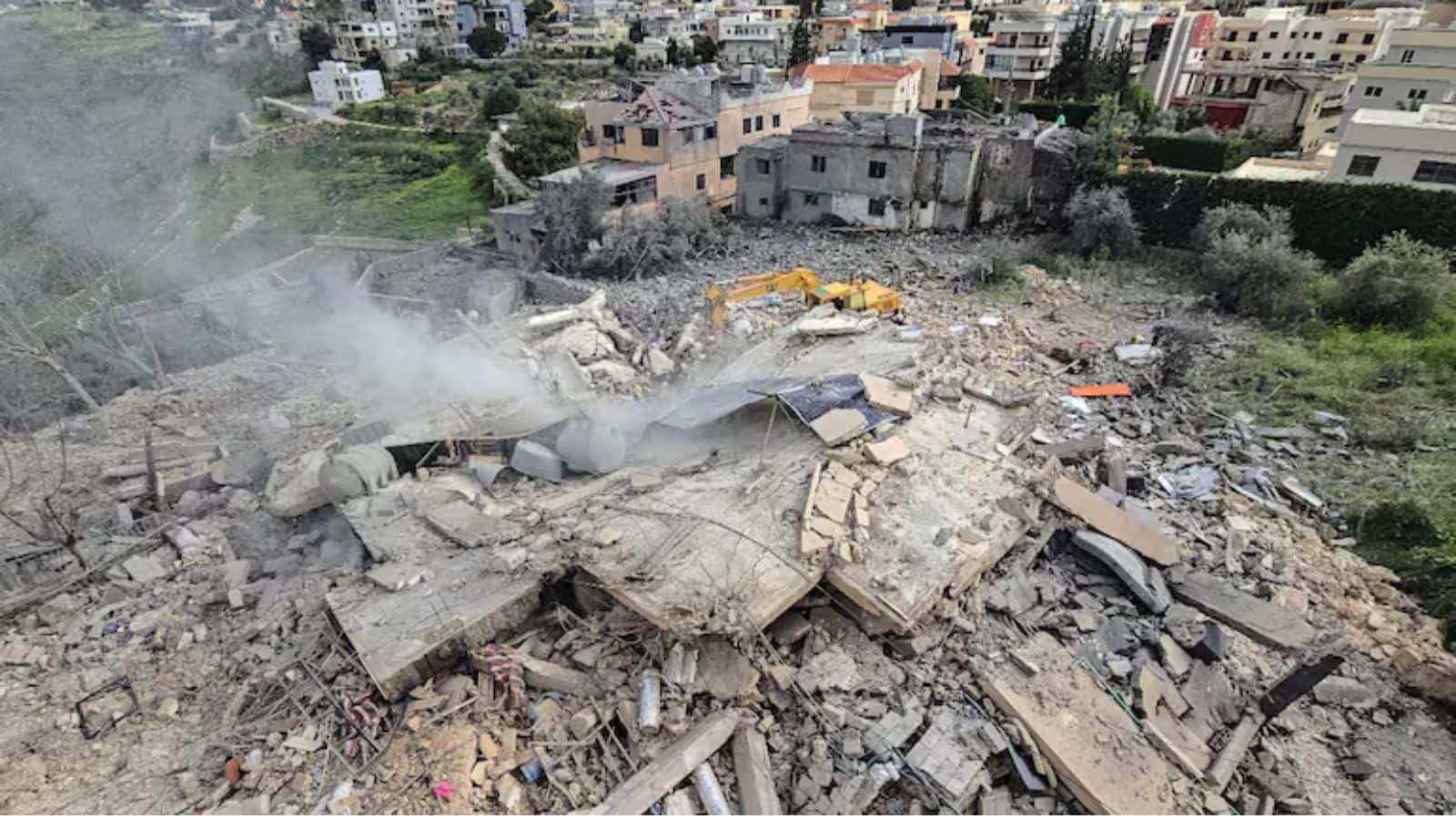
President Donald Trump says the US and Iran have agreed a two-week ceasefire, while a more lasting deal is negotiated. Iran has submitted at 10-point proposal, which President Trump called "a workable basis on which to negotiate". That plan reportedly includes calls for the US to withdraw its military forces from the region; lift economic sanctions on Iran; pay compensation for damage caused during the war; and allow Tehran to maintain control over the Strait of Hormuz. Washington put forward its own 15-point plan last month, which analysts said included terms that Iran would find difficult to accept. Both the US and Iran have claimed this moment as a victory. But several key sticking points of the conflict remain unresolved — including Iran's insistence that it be allowed to enrich uranium for its civil nuclear programme. And, Iranian officials say they will control which vessels are permitted to pass through the Strait of Hormuz. President Trump has claimed that US and Israeli strikes — which killed the Supreme Leader Ayatollah Ali Khamenei and several other high-ranking officials — have effectively changed the Iranian regime, though critics have argued that the Islamic Republic's replacement leaders follow the same ideology. And while Prime Minister Benjamin Netanyahu has said he supports the ceasefire, he has maintained that it does not apply to Israel's fight against Hezbollah in Lebanon. We ask the BBC's diplomatic correspondent Paul Adams what the US and Iran believe they have achieved in this war, and whether they can find common ground in their contrasting plans for peace. New episodes of the Global News Podcast are published twice a day. You can listen here: https://link.mgln.ai/GNP-YT And you can find more of our Youtube episodes here: https://bbc.in/GlobalNewsPodcast Subscribe to our channel here: https://bbc.in/bbcnews For the latest news download the BBC News app or visit BBC.com/news #BBCNews















/newsnation/media/agency_attachments/logo-webp.webp)